
Interior design decisions don’t end on handover day.
They continue to show up every year—through wear, maintenance, repair, and how a space
feels over time. Some materials mature beautifully. Others look tired far sooner than expected. The difference rarely lies in price alone; it lies in how a material responds to daily life.
Understanding which materials age well—and which don’t—can save homeowners years of
frustration and unnecessary expense.
What It Means for a Material to “Age Well”
A material that ages well does three things consistently:
It handles regular use without visible distress
It develops character instead of damage.
It remains relevant even as trends change.
These materials don’t demand constant care or replacement. They settle into a home naturally.
1.Materials That Age Well Solid Wood (Used Honestly)
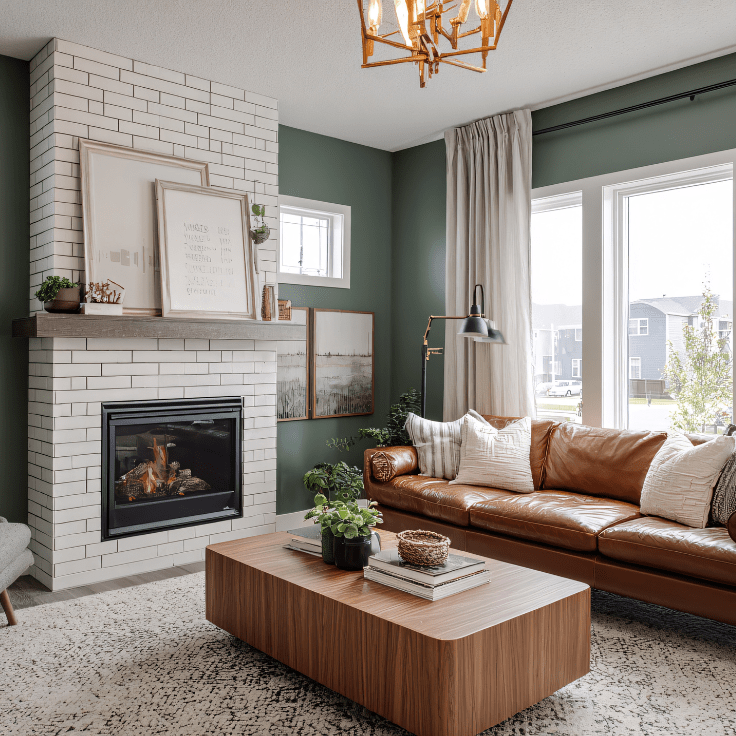
Solid wood — when not overly polished or coated — improves with time. Small dents, grain
variations, and natural color shifts add depth rather than flaws.
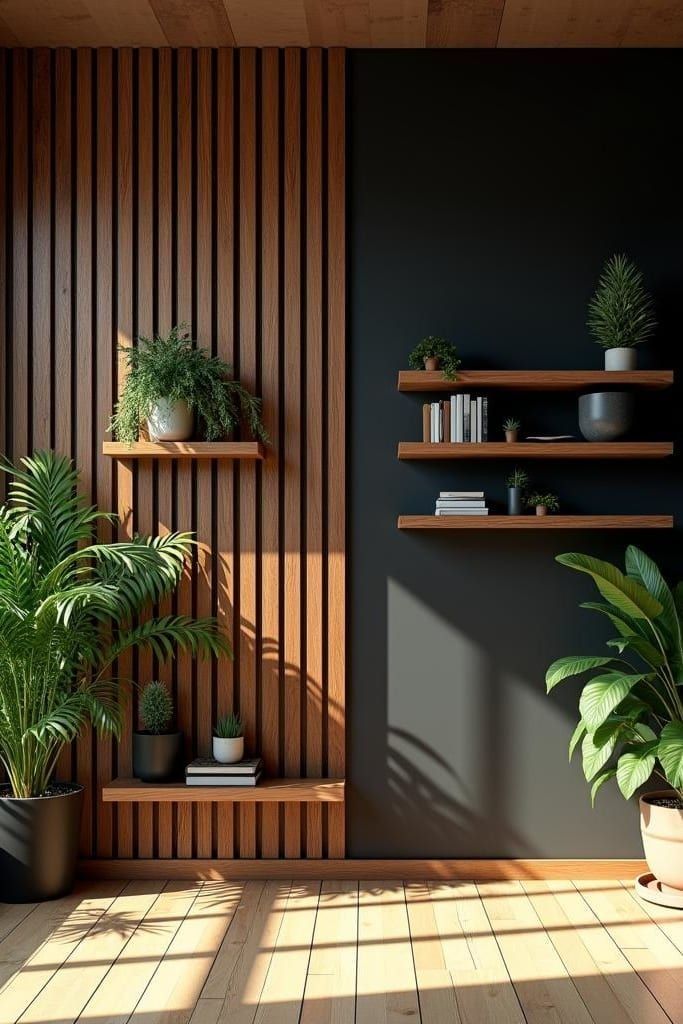
Used for furniture, doors, or select cabinetry, solid wood brings warmth and durability. It works
best when its natural texture is allowed to show instead of being masked under heavy finishes.
2.Natural Stone (With Restraint)
Granite, slate, and certain marbles can last decades if used thoughtfully. They respond well to
wear in low-impact areas and develop a lived-in patina.
The key is placement. Stone performs better when it’s not overused or forced into areas where
staining and heavy maintenance become constant concerns.
3.Matte Finishes
Matte surfaces hide scratches, fingerprints, and minor wear far better than high-gloss ones.
Over time, they maintain visual consistency even as the home evolves.
Matte laminates, paints, and finishes are more forgiving and tend to look contemporary longer
than glossy alternatives.
4.Neutral Upholstery in Quality Fabrics
Good-quality fabrics in neutral shades age more gracefully than bold patterns or trendy colors.
They allow flexibility—covers can be changed, accessories updated, and the space refreshed
without replacing core furniture.
5.Materials That Don’t Age Well High-Gloss Surfaces Everywhere
While glossy finishes look striking initially, they show wear quickly. Fingerprints, scratches, and
uneven reflections become more noticeable over time.
In high-use areas, these surfaces demand constant maintenance and often lose their appeal
faster than expected.
6.Trend-Driven Laminates
Highly patterned or trendy laminates can feel outdated within a few years. What looks modern
today may feel visually heavy or dated as tastes shift. When materials rely heavily on trend
appeal rather than function, their lifespan is usually short
7.Low-Quality Engineered Wood
Cheaper engineered wood products struggle with moisture, heat, and long-term use—especially
in Indian climatic conditions. Swelling, chipping, and surface peeling are common issues.
These materials may reduce initial cost but often increase long-term expense.
8.Delicate Stones in High-Use Areas
Certain marbles and light-colored stones stain and scratch easily. When used in kitchens or
heavy-traffic spaces, they demand constant care and still show wear prematurely.
The Role of Indian Climate and Lifestyle
Materials behave differently depending on environment. Humidity, temperature changes,
cooking habits, and daily wear all impact longevity.
A material that performs well in controlled environments may struggle in real Indian homes.
Choosing materials without considering climate and lifestyle often leads to early deterioration.
Good design adapts materials to context—not the other way around. Choosing Materials with
Longevity in miind.
Long-lasting interiors are not built on visual impact alone. They are built on balance:
Practicality over novelty
Quality over surface appeal
Context over trend
A home should feel better with time, not more demanding.
Designing for the Long Term
Materials tell the real story of a home—how it’s lived in, cared for, and valued. When chosen
wisely, they don’t just survive daily life; they quietly enhance it.
The best interiors aren’t those that look perfect forever.
They’re the ones that age with grace.
Because good design doesn’t fear time.
It’s built to live with it.