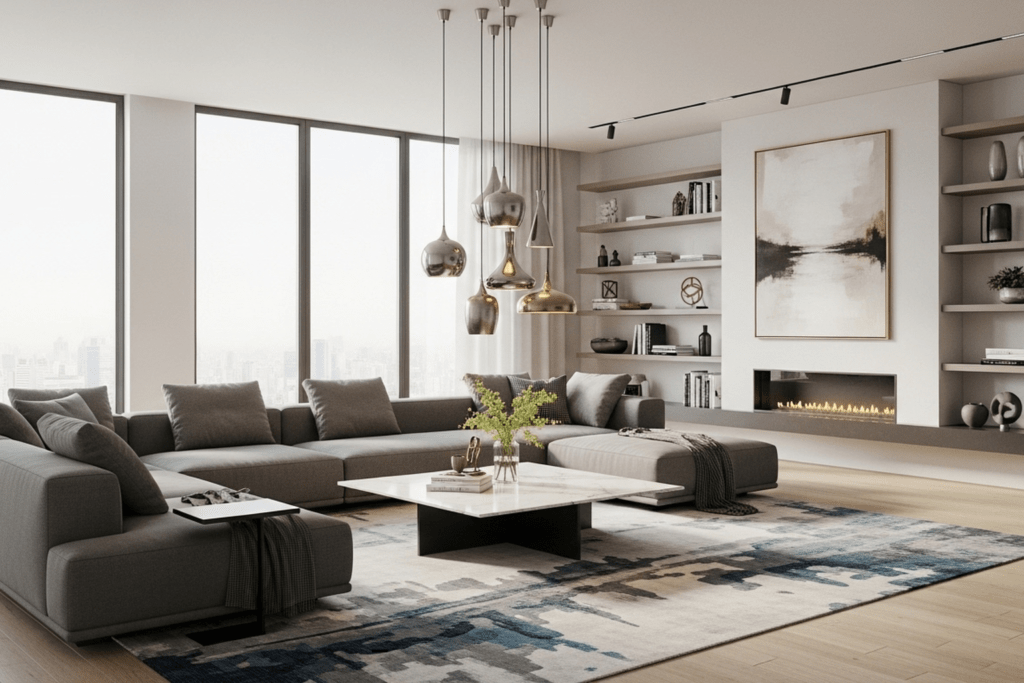
In today’s fast-paced digital world, people are spending more time indoors than ever before. Our homes, offices, and personal spaces are no longer just physical structures — they have become emotional environments that shape how we think, feel, and live. In 2026, interior design has evolved into a powerful tool that directly influences mental health, emotional balance, and productivity. The spaces around us silently guide our mood, stress levels, and even the quality of our sleep.
Let’s explore how thoughtfully designed interiors can transform not just spaces, but lives.
The Psychology Behind Interior Design
Human beings respond deeply to their environment. Every color, texture, light source, and layout sends signals to the brain. When a space is well-designed, it creates harmony between the mind and surroundings. When it is poorly designed, it leads to discomfort, distraction, and emotional fatigue.
Interior design in 2026 is rooted in neuro-design, a science that studies how environments affect brain activity. This approach helps designers create spaces that reduce stress, enhance focus, and encourage emotional well-being.
How Colors Shape Your Mind
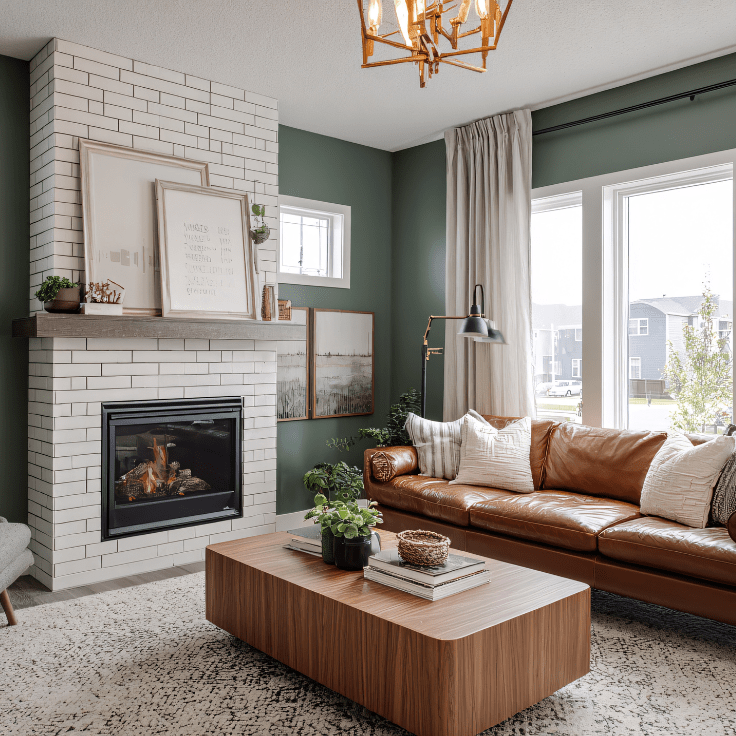
Colors have the power to influence emotions instantly. Soft blues and greens calm the nervous system, helping reduce anxiety and mental exhaustion. Warm shades like beige and soft brown create feelings of safety and comfort. Meanwhile, carefully used bright tones such as yellow or coral can spark creativity and happiness.
In modern interiors, designers balance colors based on the room’s purpose. Bedrooms use calming tones to promote rest, while workspaces use energizing hues to increase motivation and alertness.
The Healing Power of Light
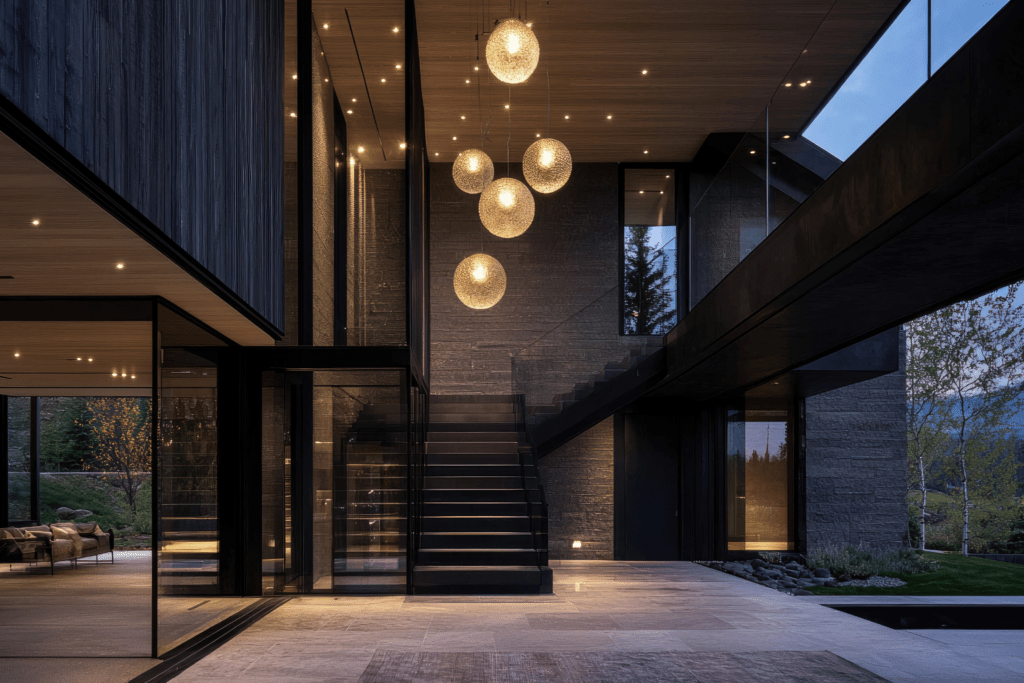
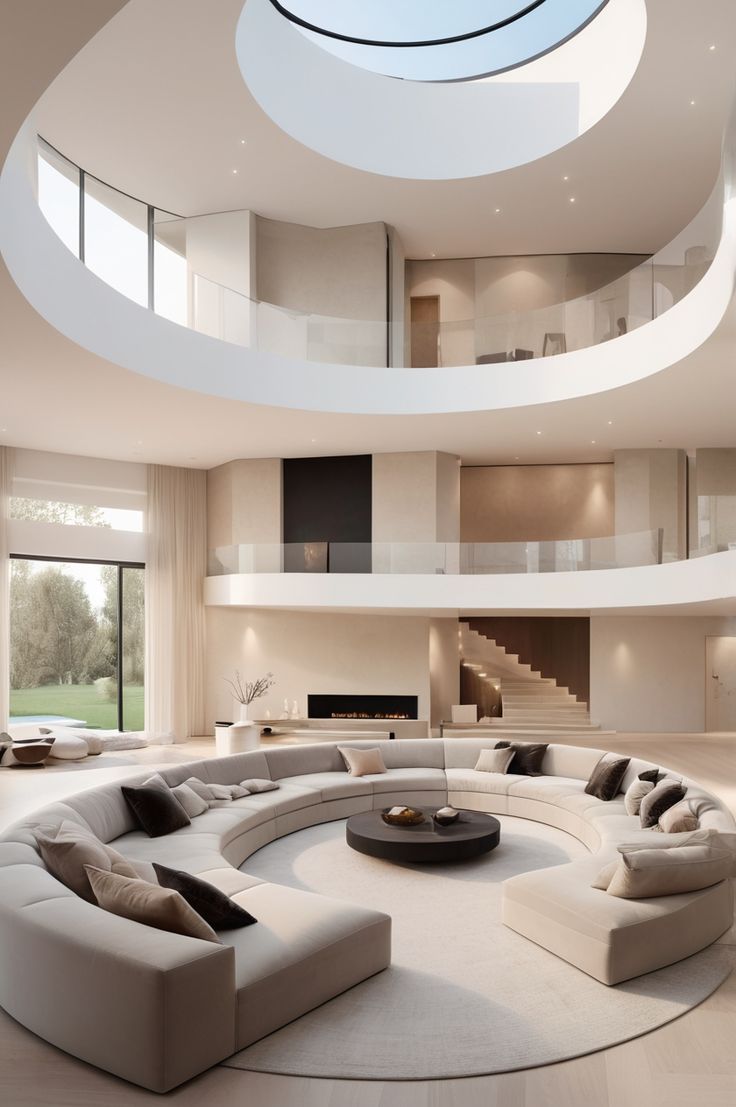
Light is one of the most important elements in interior design. Natural sunlight regulates our biological clock, boosts serotonin levels, and improves overall mental health. Homes designed with large windows, skylights, and reflective surfaces help distribute light evenly, making interiors feel brighter and more positive.
Poor lighting can cause fatigue, irritability, and even depression. That’s why modern interior designers carefully plan both natural and artificial lighting to create a healthy emotional atmosphere.
Biophilic Design: Bringing Nature Indoors
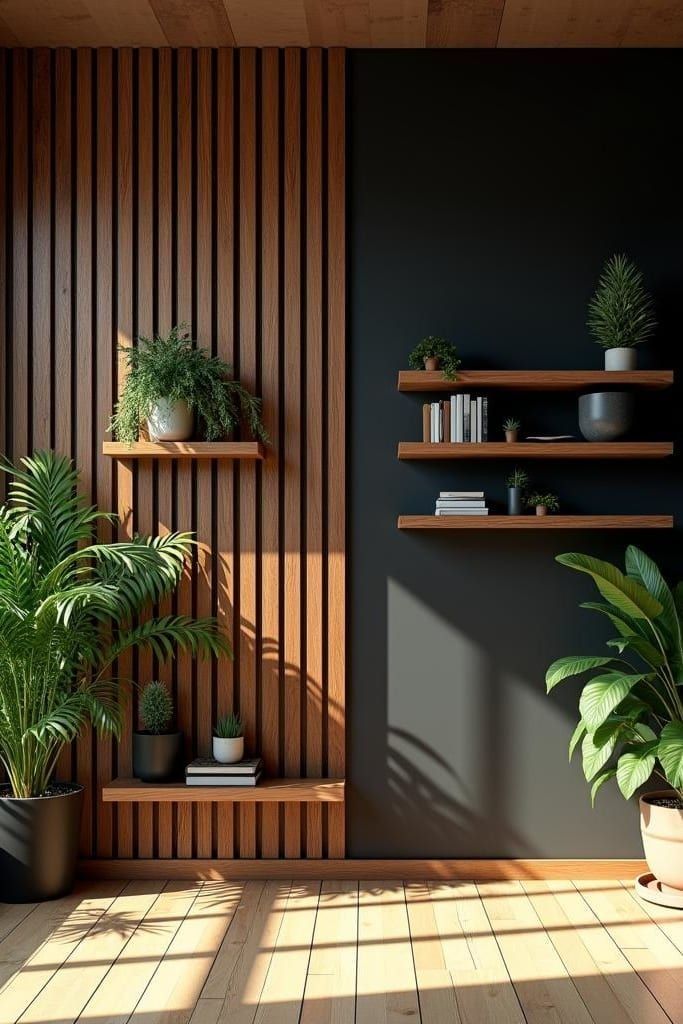
Nature has a calming effect on the human brain. Biophilic design integrates natural elements like plants, water features, wood, and stone into interiors. These elements reduce stress, improve air quality, and create a peaceful environment.
Even small details — such as a plant near your desk or wooden textures in a living room — can make a space feel more alive and emotionally comforting.
Decluttered Spaces, Clearer Minds
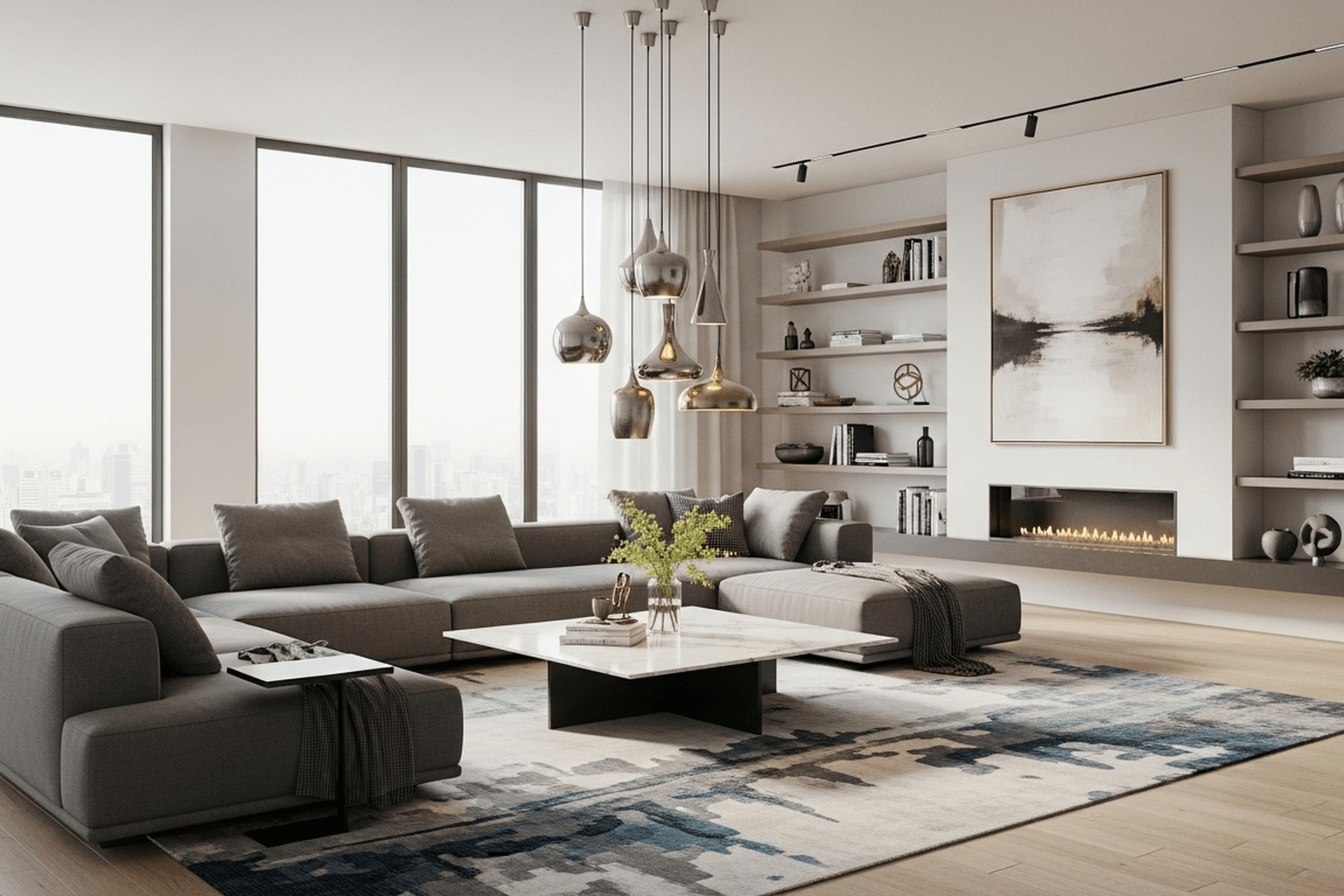
Clutter doesn’t just occupy physical space — it occupies mental space. Messy rooms create sensory overload, making it harder to relax or concentrate. Modern interior design focuses on smart storage, minimal furniture, and clean layouts that help the mind feel lighter and more focused.
A well-organized space brings emotional stability and improves daily productivity.
Workspaces That Inspire Focus
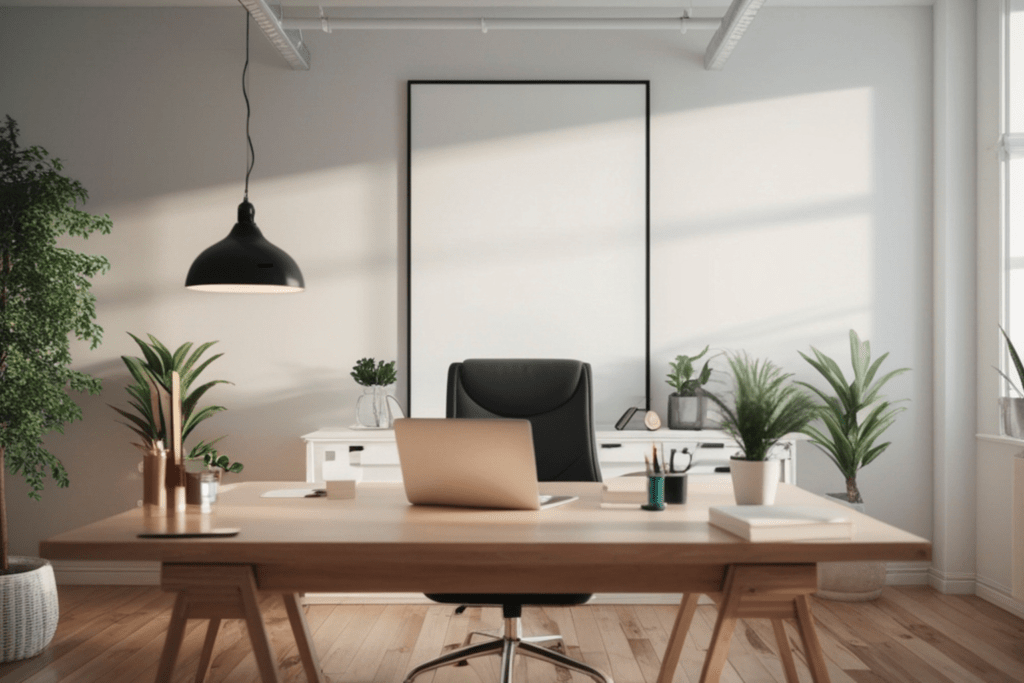
With remote work and digital businesses growing, interior design plays a major role in productivity. Ergonomic furniture, proper desk placement, balanced lighting, and noise control help prevent burnout and increase efficiency.
A thoughtfully designed workspace can significantly improve concentration, creativity, and motivation.
Bedrooms That Heal
The bedroom is the most emotionally important room in a home. It is where the body and mind recover. Soft lighting, warm colors, sound-absorbing materials, and comfortable layouts help promote deep, restful sleep.
Quality sleep directly affects mental health, memory, and emotional stability — making bedroom design a crucial wellness factor.
Final Thought
Interior design in 2026 is no longer about trends — it is about human well-being. Every wall, window, and piece of furniture shapes how we feel and function. When spaces are designed with care, they create peace, clarity, and confidence.
A beautiful home is not just something you see — it’s something you feel every single day.